
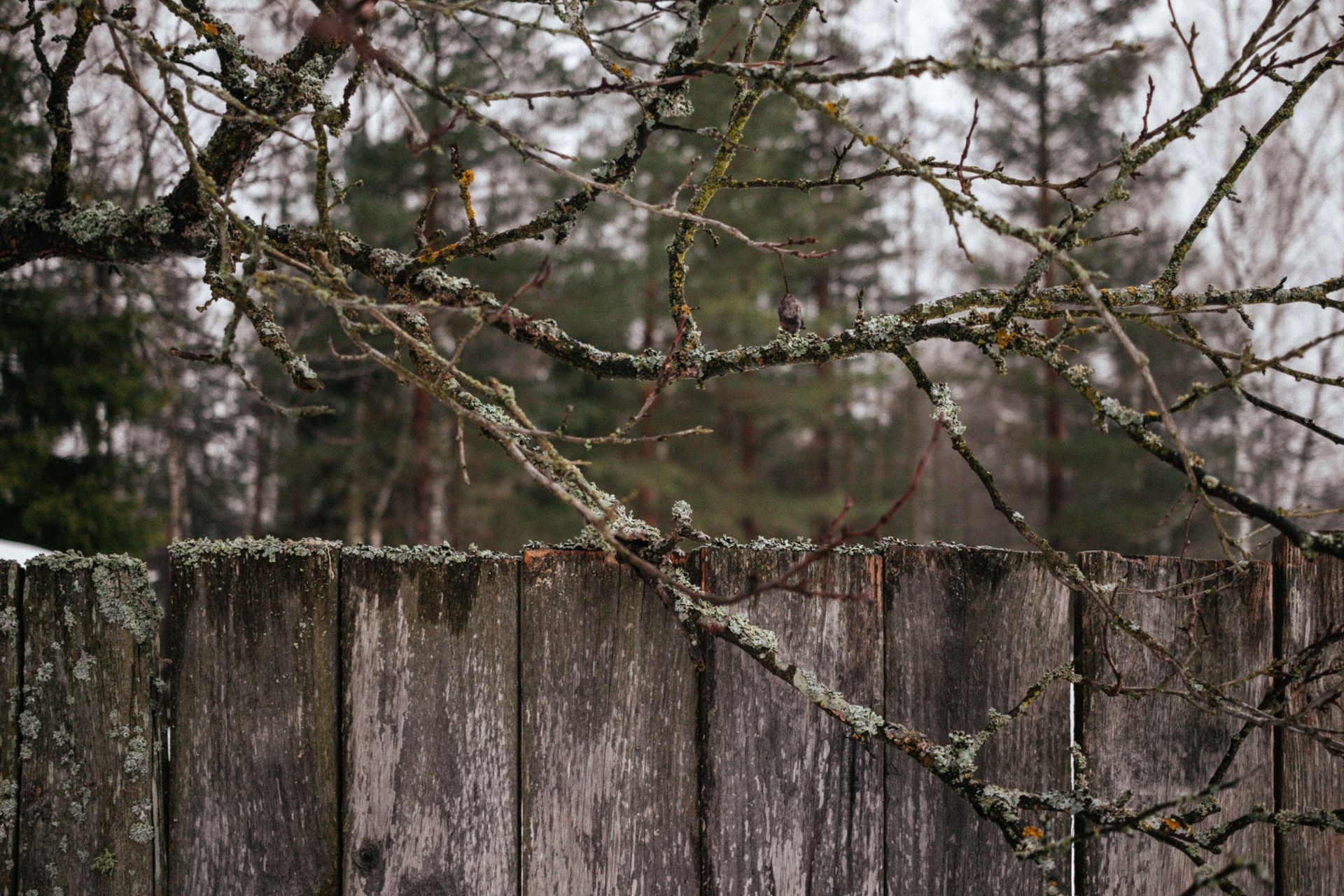
Fallen Limbs Sitting Directly on Your Fence Line
Tree Branch Impact and Debris Removal in Lexington for fences smashed by fallen limbs, storm timber, or overhanging branches that have landed on rails and posts
Clearing a fallen tree limb from a fence is not the same job as repairing the fence beneath it. The weight of a large limb resting across a fence run bends rails, splits pickets, and drives posts laterally—and until the debris is fully lifted and removed, the true extent of the structural damage underneath cannot be assessed. Top Quality Fencing handles both sides of that problem in Lexington, coordinating the heavy debris clearing and the fence reconstruction in a single service call rather than leaving the fence owner to manage a tree company and a fence contractor separately. That coordination matters most when the limb has landed across a section with multiple post spans, because the load distribution often means damage is wider than the obvious crush point.
Lexington's established neighborhoods—many with mature oak, maple, and elm canopy overhanging residential fence lines—create consistent branch impact exposure during strong wind events and ice storms. A limb that falls cleanly may smash rails and pickets while leaving posts intact; a limb that lands at an angle and rolls or drags across the fence can lever posts out of alignment across a wider span than the initial impact zone. The debris removal process at Top Quality Fencing accounts for that secondary drag damage, inspecting the full run adjacent to the impact rather than only the section directly under the fallen wood.
Arrange an around-the-clock service call to clear the debris and begin a full structural evaluation of the affected fence section..
Lexington, KY
40517
- Mon - Sat
- -
- Sunday
- -
What Proper Debris and Impact Repair Requires
The removal sequence matters: heavy limbs cannot simply be pulled free without assessing how the weight is distributed across the fence panels beneath them. A large limb resting across multiple rails may be holding damaged sections in position, and lifting it incorrectly can cause a partially intact panel to collapse sideways. Top Quality Fencing lifts and removes debris in a controlled sequence that avoids secondary collapse, then clears the full section before beginning any structural assessment or repair work.
Once the fence line is clear, you will see exactly which rails have cracked or snapped, which pickets have been driven out of alignment, and which posts are still plumb. Smashed rails and split pickets are replaced with matching materials, posts that have been pushed off vertical are reset, and the fence returns to a continuous, structurally closed line—meaning no open gaps where a pet or child could pass through and no sections where debris pressure has left the fence standing but structurally weak.
Beyond the immediate repair, Top Quality Fencing evaluates overhanging branches adjacent to the repaired section to identify limbs that are already cracked, deadwood that has not yet fallen, and branch angles that position large timber directly above fence rails. This evaluation does not replace a certified arborist assessment, but it identifies high-risk limbs that a property owner can then prioritize for removal—addressing the source condition rather than waiting for the next impact event to repeat the same damage pattern.
What Property Owners Ask About the Work
Tree branch impact creates a combined debris and structural problem that raises specific questions about how the clearing and repair are sequenced, what gets replaced versus reinforced, and how to evaluate nearby limbs for future risk. The following questions address those specifics.
How is the debris removal sequenced so that pulling out the limb does not cause additional fence damage?
The limb is assessed for how its weight is bearing on the fence before any pulling or lifting begins; sections that are being held in position by the limb's weight are braced first, and the debris is then removed in segments rather than as a single piece where the span is long enough to cause rail flex during extraction.
What parts of a fence are most likely to be damaged by a fallen branch impact versus the drag that occurs as the limb settles?
Direct impact typically cracks or snaps rails and drives pickets inward; drag damage—which occurs as a heavy limb rolls or slides across the fence after initial contact—tends to laterally shift posts and pull rail-to-post connections loose across a wider area than the crush point.
How do you determine whether a post that was struck by a falling limb needs to be replaced or can be reset in its existing footing?
A post that has been driven sideways but whose footing is still intact can often be reset; a post whose concrete footing has cracked or partially lifted, or whose wood has split along the grain from impact, requires full removal and replacement with a new footing pour.
What makes overhanging branches a higher risk for fence lines in Lexington's older residential areas specifically?
Properties with mature tree canopy—common in established neighborhoods throughout Lexington—have limbs that have grown large enough over decades to cause significant structural damage when they fail, and because those limbs often extend well beyond the drip line of the trunk, their fall trajectory frequently crosses fence lines rather than landing in open yard space.
How can you identify a deadwood limb that poses a risk to a fence line before it falls?
Deadwood typically shows gray or dark bark, no leaf growth during growing season, visible splits or cracks along the branch, and a hollow sound when tapped; limbs in these conditions that are positioned directly above a fence run at an angle that would carry them into the fence panels on failure are the highest priority for assessment.
Top Quality Fencing provides around-the-clock response for debris clearing and fence reconstruction, handling both components so the property is secured and the fence is structurally restored in a single coordinated visit. Connect with Top Quality Fencing to schedule debris removal and a full structural evaluation of your affected fence line.