Containment Built for Equine Safety and Strength
Horse Fencing in Lexington for properties with pastures, paddocks, and training areas
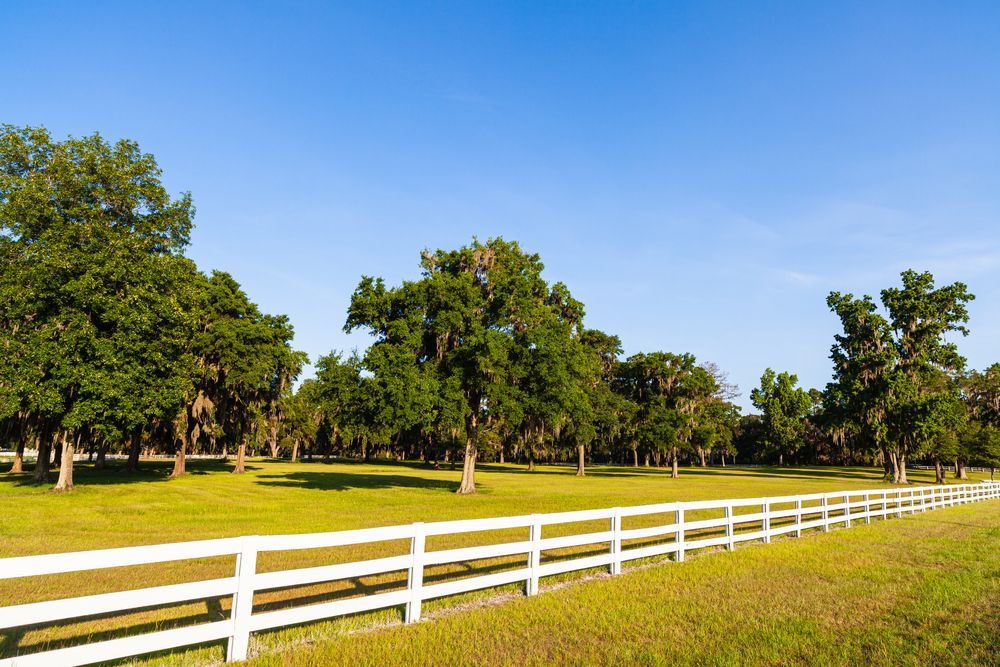
Top Quality Fencing installs horse fencing in Lexington designed to withstand the pressure and behavior patterns of equine environments. Your horses lean, rub, and test boundaries differently than other livestock, requiring materials and post spacing engineered for both visibility and impact resistance. Properties with multiple pastures or rotational grazing systems benefit from fencing that maintains tension across uneven terrain without creating hazardous sag points.
Horse fencing addresses containment challenges unique to equine management, including visibility requirements that prevent collision injuries, rail or board spacing that eliminates hoof entrapment, and height specifications that discourage jumping or reaching over. The installation process accounts for soil conditions in central Kentucky bluegrass regions, where clay-heavy ground requires deeper post setting to resist frost heave and moisture-related movement.
Schedule a property evaluation to review pasture layout and determine appropriate fencing configurations for your horses.
Lexington, KY
40517
- Mon - Sat
- -
- Sunday
- -
What Proper Horse Fencing Requires
Horse fencing installation begins with post placement at intervals that maintain structural integrity without creating weak zones where boards or rails can flex excessively under lateral pressure. Posts are set below the frost line to prevent seasonal shifting, and corner bracing is reinforced to handle the concentrated stress horses apply when crowding gates or fence lines during feeding times. Board or rail materials are selected based on visibility, splinter resistance, and the ability to flex slightly on impact rather than shattering.
Once installed, you'll notice that horses respect fence boundaries more consistently when rails or boards are positioned at chest and eye level, reducing the testing behavior common with lower or less visible barriers. Pastures maintain cleaner sight lines, rotational grazing becomes easier to manage, and the risk of entanglement injuries drops significantly compared to wire-only systems. Top Quality Fencing configures gate placements to support your property's traffic flow, whether you're moving horses between paddocks or accessing pastures with equipment.
Fencing choices also depend on whether you're containing horses full-time, managing breeding operations, or supporting training activities that require more contained spaces. Some properties combine board fencing for high-visibility perimeter lines with coated wire options for interior pasture divisions, balancing cost with safety priorities across different zones.
Questions Before Planning Your Fencing
Horse owners in Lexington often ask about fencing options before committing to a specific design, especially when balancing durability with the grazing patterns and herd dynamics unique to their property.
What fencing materials work best for horses that crib or chew?
Horses that crib or chew wood require treated boards with anti-chew coatings or alternative materials like coated steel rails that resist damage. Visibility remains critical, so any non-wood option must still provide clear boundary definition horses can see from a distance.
How does Lexington soil affect post stability for horse fencing?
Central Kentucky clay soil holds posts securely once properly tamped, but seasonal moisture changes require setting posts deeper than standard residential fencing to prevent frost heave during winter months. Concrete footings add stability in areas with heavy equine traffic near gates or water sources.
What height prevents horses from jumping or leaning over fencing?
Most horse fencing stands between four and five feet tall, with taller installations needed for breeds known to jump or properties adjacent to high-distraction areas. Rail spacing at the top prevents horses from reaching over to graze outside pasture boundaries.
When should I replace older wire fencing with board or rail systems?
Wire fencing that sags, shows rust deterioration, or lacks visibility markers should be replaced before horses injure themselves attempting to navigate unclear boundaries. Board systems reduce collision injuries and provide better long-term containment for active or playful horses.
How does rotational grazing affect fencing layout decisions?
Rotational grazing requires interior fence lines that allow flexible pasture division without creating bottlenecks or corners where horses crowd during movement. Gate placement and lane width matter as much as perimeter fencing when managing multiple paddocks.
Top Quality Fencing works with horse property owners throughout Lexington to design fencing systems that match herd size, pasture terrain, and management goals. Request an on-site consultation to assess your property's specific layout and discuss configurations that support safe, effective equine containment.