
Heavy Snow Loads That Buckle and Collapse Fences
Snow Damage Repair for Winter Weather Loads in Lexington for wooden, vinyl, and chain-link fences buckling or collapsing under ice and snow accumulation
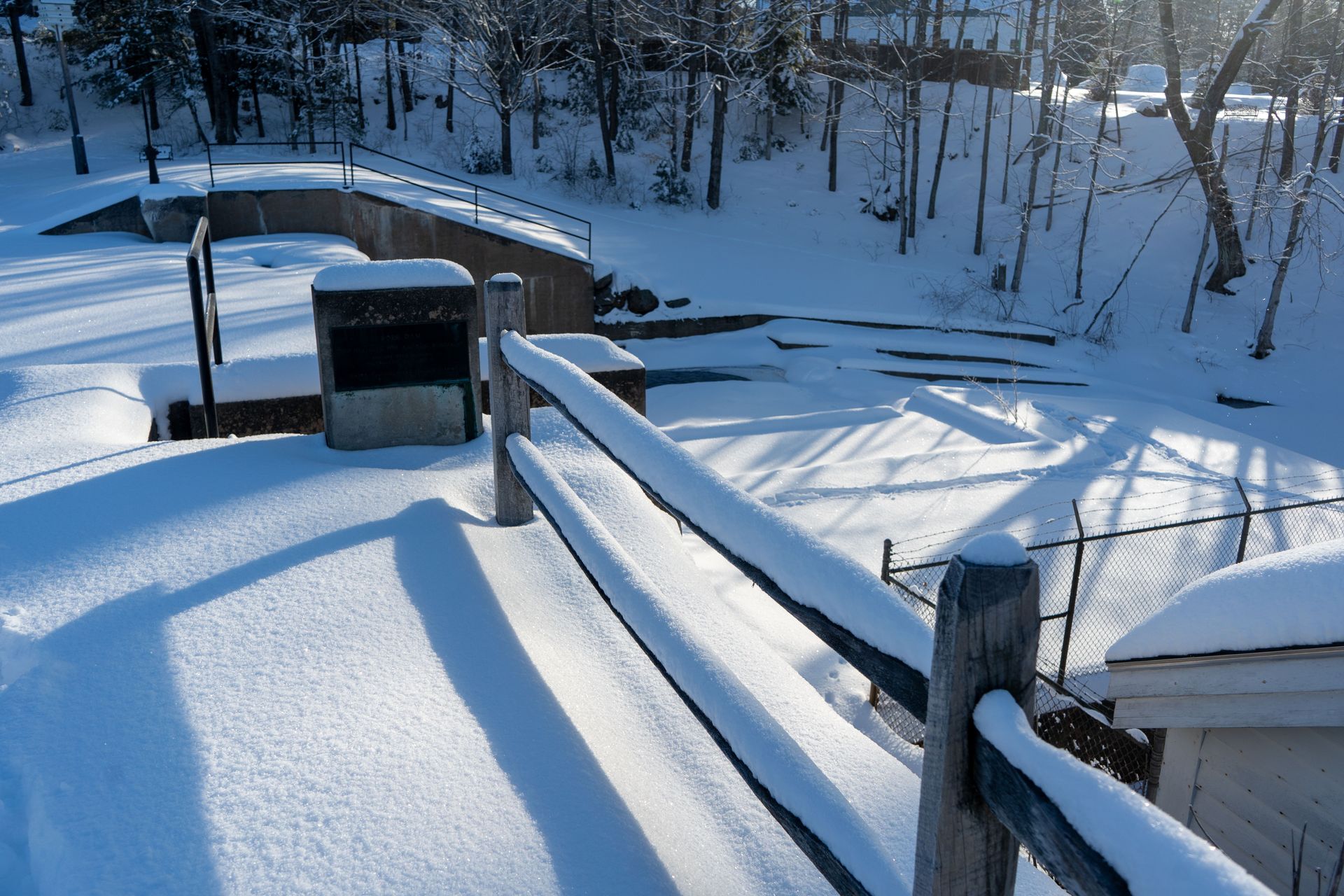
Wet, heavy snow accumulating across horizontal fence rails creates a distributed load that most residential fence panels were not engineered to carry, and the failure is rarely dramatic—it begins as a subtle outward bow in the mid-span of a panel, then progresses to a collapsed rail or a post that has shifted off vertical. Top Quality Fencing responds to exactly these situations in Lexington, stabilizing fences that have buckled under winter accumulation and replacing panels and posts that have moved past the point of correction. The critical decision in any snow damage call is whether the posts are still plumb and their footings are intact, or whether freeze-thaw movement in the surrounding soil has already begun shifting them.
Kentucky clay soil is particularly reactive to freeze-thaw cycling—it expands when frozen and contracts when it thaws, which exerts lateral and vertical pressure on fence posts that extends beyond the surface frost line. A post that appears stable in October can be measurably heaved by February, and a fence carrying snow weight on top of that instability is under load from two directions simultaneously. The repair process addresses both: posts are checked for vertical alignment and footing contact before any panel work begins, because replacing panels on a shifted post produces a fence that fails again under the next accumulation.
Schedule an on-site evaluation to determine which fence sections have shifted posts and which can be reinforced with upgraded brackets and hardware..
Lexington, KY
40517
- Mon - Sat
- -
- Sunday
- -
Address the Root Cause, Not Just Visible Damage
Top Quality Fencing uses specialized shoring techniques to stabilize posts that are in the process of heaving or shifting rather than waiting for them to fail completely. For posts that have moved but not yet pulled free of their footings, temporary bracing holds them in position while the ground conditions stabilize, allowing for a more durable reset than forcing a post back when the soil is still frozen around it. This sequencing—shore first, assess soil state, then commit to the permanent repair approach—is what separates a repair that holds from one that repeats the same failure pattern.
After repairs are complete, you will notice that panels no longer flex inward when pressed at mid-span, posts sit fully vertical without the subtle lean that develops when a footing has partially lost contact, and any vinyl sections that had begun to crack under compression are replaced with panels that can flex appropriately without fracturing. Chain-link fences that had begun to belly outward from post movement will return to a taut, consistent line across the full run.
Where the inspection identifies panels or connection hardware that is not currently damaged but is undersized for the span and load it carries, Top Quality Fencing offers upgrades to stronger rail brackets and winter-resistant fasteners. These upgrades address the repeat collapse pattern that occurs when the underlying hardware was marginal before the first failure—replacing only the visibly broken component while leaving weak hardware in place produces a fence that is statistically likely to need another repair call before the following winter ends.
Answers About How the Snow Damage Work Is Done
Snow and ice damage raises different questions than wind damage because the failure mechanism is slower and the post movement caused by soil conditions is less visible than a blown-down panel. The questions below address how the inspection and repair process works for winter weather damage specifically.
How is a post that has heaved from freeze-thaw movement different from one that was simply pushed by snow weight?
A heaved post has moved vertically or laterally due to soil expansion and will show a gap between the footing and the post base or sit visibly off-plumb in a way that cannot be corrected by pushing the panel back; a post that shifted under snow load may still have full footing contact and can be reset without excavation.
What materials hold up better under repeated winter accumulation loads compared to standard residential fence components?
Galvanized rail brackets rated for heavier spans and through-bolted rail connections outperform standard screwed rail brackets under repeated snow load cycling because they distribute force across a wider contact area rather than concentrating it at a single fastener point.
Why do vinyl fences crack under snow loads while wooden fences tend to bow instead?
Vinyl becomes more brittle in cold temperatures and absorbs the same panel load through fracture rather than deflection, which is why the failure pattern looks different but the underlying cause—inadequate rail support for the panel span—is the same across both materials.
What should be checked on a fence after a heavy snow event even if nothing has visibly collapsed?
Rail-to-post connections across the full fence run should be checked for pulled fasteners or loose brackets, and posts should be sighted along the fence line for any deviation from plumb that indicates soil movement has begun.
How do Lexington's clay soil conditions affect the depth and method used when resetting a heaved post?
Posts reset in clay-dominant soil are typically set with a concrete collar that extends below the active frost depth to minimize the contact between expanding soil and the post base, reducing the leverage that causes heaving during subsequent freeze cycles.
Top Quality Fencing handles both the immediate stabilization and the material upgrades needed to reduce repeat failures in the same visit, so winter damage does not become a recurring pattern. Arrange an inspection with Top Quality Fencing to review your fence's current condition and identify which sections need structural correction before the next accumulation season.